
In subject area: Social Sciences
Health awareness is the promotion of knowledge and understanding related to health issues through campaigns, with a focus on online activities and limited exploration of their impact on health outcomes and cost-effectiveness.
The value of health awareness days, weeks and months: A systematic review
Introduction
The popularity of health awareness day, week, and month campaigns appears to suggest that they are influential in helping combat serious health issues. Initiating such campaigns can be relatively simple and provide a tangible, approachable way to spread information about ailments.
Health Awareness

Best strategy to fight cancer is to prevent it
Have you lost someone to this horrible disease ? Then you must know about it to prevent others.
To fight your enemy you must know your enemy. To avoid it , you must be capable to recognise it.
Lets learn the basics of formation of cancer .How cancer is formed ?
Cancer forms as a result of prolonged exposure of carcinogen to the body. Carcinogen either directly
damages the genetic structure and causes mutation, or it leads to the formation of free radical
imbalance cause cell , protein and DNA damage leading to the formation of cancer cells.
Other than carcinogen there are numerous environmental factors which trigger the formation of cancer
through excessive free radical formation load , the key to form the cancer cells.
Will talk how to reduce the free radical formation and prevent them from damaging the cells.
Carcinogens
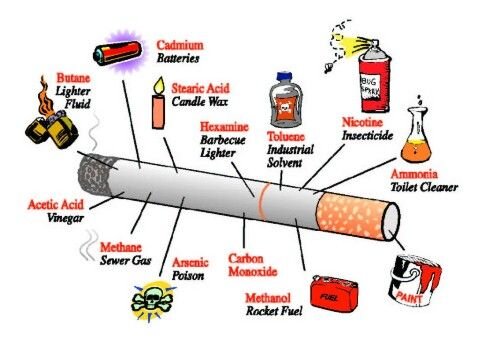
We are literally surrounded by them . They are so many that it is not possible to list all of them . Sad but true you can not avoid them. Common ones are : Insecticides, herbicides, and fungicides used in agriculture for growing vegetables and fruit.
Especially if the exposure is high and / or prolonged which may occur if they are used in farming above their Maximum Residue Limits (MRLs) set by the government agencies and unfortunately it is not an uncommon practice.
You would be surprised to know that household chemicals have been identified as potential contributor to the development of cancer.
Asbestos a common building material in developing countries including India. Aromatic amines in hair dye and other cosmetic products .Tobacco smoke and chewing . Specific molecules in the air pollution called PM (Particulate Matter ).
Food additives , emulsifiers , taste enhancers etc
Obesity and high BMI itself is a risk factor for cancer . How ?
I have lot more to tell about this.
What is Ovarian Cancer?
Cancer is a disease in which some of the body’s cells begin to divide without stopping, and spread into surrounding tissue. Ovarian cancers are a group of diseases that affect the ovaries.
The ovary is made up of three types of cells. Epithelial cells cover the surface of the ovary. Cancers originating from these cells are the most common type of ovarian cancer, called epithelial ovarian cancer. Because these epithelial cells also line the fallopian tubes and form the peritoneal membrane which encases organs in the abdomen and pelvis, epithelial cancers can also arise from these sites. Tubal cancers and primary peritoneal cancers are treated the same way as epithelial ovarian cancers, and often the term EOC is used to include all three sites of origin.
The other cell types in the ovary are germ cells, also called oocytes or egg cells, and stromal cells, which produce hormones. Cancers arising from germ cells or stromal cells are considered distinct tumor types, and may be treated differently than epithelial ovarian cancers, as described below.

What are the different types of ovarian cancer?
Ovarian cancers are now known to be several distinct diseases, classified according to the cells from which they arise, and further grouped by pathological factors such as how they appear under a microscope, and their behaviors.
- Epithelial ovarian cancers, which arise from the surface of the ovary (the epithelium), are the most common ovarian cancers. Fallopian tube cancer and primary peritoneal cancer are also included within this designation.
- Germ cell ovarian cancers arise from the reproductive cells of the ovaries, and are rare.
- Stromal cell ovarian cancers, which arise from connective tissue cells, is very rare.
- Small cell carcinomas (SCCO) of the ovary are an extremely rare ovarian cancer subtype and it is not certain whether the cells in SCCO are from ovarian epithelial cells, sex-cord stromal cells or germ cells.

Add Your Heading Text Here
Are all ovarian tumors cancerous?
Not all ovarian tumors are cancer. Ovarian tumors can be benign (noncancerous) or malignant (cancerous). Cells of benign tumors do not spread to other parts of the body (metastasize).
Additionally, ovarian cysts are different from ovarian tumors, and can be fairly common—ovarian cysts are fluid-filled while ovarian tumors are solid masses. Most ovarian cysts are not harmful, don’t cause symptoms and are not indicative of risk for future ovarian cancer, though some complex ovarian cysts may raise the risk.
About Ovarian Cysts
What are ovarian cysts, why are some people more prone to them than others — and are ovarian cysts cause for concern? Find answers to common questions.
Despite their ubiquity, the efficacy of health awareness events still remains quite unclear. While several campaigns have been shown to increase online discussion and knowledge about a disease, very few are directly connected to positive health outcomes for those afflicted. In addition, research suggests that even successful campaigns for less widespread diseases may distort public perception of their importance .
Common Symptoms of Ovarian Cancer
In many cases, ovarian cancer does not produce noticeable symptoms until the disease is in advanced stages.
sometimes be mistaken for other common problems. Those with ovarian cancer most commonly report these symptoms:
- Bloating
- Pelvic or abdominal pain
- Difficulty eating or feeling full quickly
- Urinary symptoms (urgency or frequency)
Less Common Symptoms Associated with Ovarian Cancer
Though the following symptoms have been reported by those diagnosed with ovarian cancer, they are less useful in helping to identify the disease because of their frequency in the general population:
- Fatigue
- Indigestion
- Back pain
- Pain with intercourse
- Constipation
- Menstrual irregularities